
Rogue AWD in Snow: Oak Lawn, IL Guide
Chicagoland winters are notorious for their unpredictability, shifting rapidly from icy sleet to heavy snowfall that blankets the streets of Oak Lawn. For local drivers, having a vehicle that can adapt to these changing conditions is not just a luxury; it is a necessity for safe and reliable commuting. The Nissan Rogue has firmly established itself as a top choice for families and commuters in our area, largely due to its sophisticated drivetrain technology designed to handle adverse weather. When you drive a Nissan Rogue equipped with Intelligent All-Wheel Drive, you are not just driving a compact SUV; you are commanding a vehicle engineered to monitor traction continuously and respond instantly to loss of grip.
Whether you are navigating the slush on 95th Street or merging onto a snowy I-294, understanding how your vehicle’s features work can significantly enhance your safety and confidence behind the wheel. This guide explores exactly how the Rogue conquers winter, from its specialized Snow Mode to the essential role of winter tires in Illinois.
How Rogue Intelligent AWD and Snow Mode Work
The Nissan Rogue stands out in the crowded compact SUV market thanks to its available Intelligent All-Wheel Drive (AWD) system, which is far more advanced than the older, reactive systems found in past decades. Unlike traditional systems that wait for wheel slippage before engaging the rear axle, the Rogue’s Intelligent AWD is predictive and proactive. It uses a network of sensors to monitor wheel speed, steering angle, and even throttle position multiple times per second. In optimal driving conditions on dry pavement in Oak Lawn, the system sends power primarily to the front wheels to maximize fuel efficiency, ensuring you get the best gas mileage during your daily errands. However, the moment the system detects a potential loss of traction such as hitting a patch of black ice near a stop sign it instantly redistributes up to 50% of the available power to the rear wheels. This split-second transfer of torque helps stabilize the vehicle, pushing it forward rather than letting the front wheels spin helplessly.
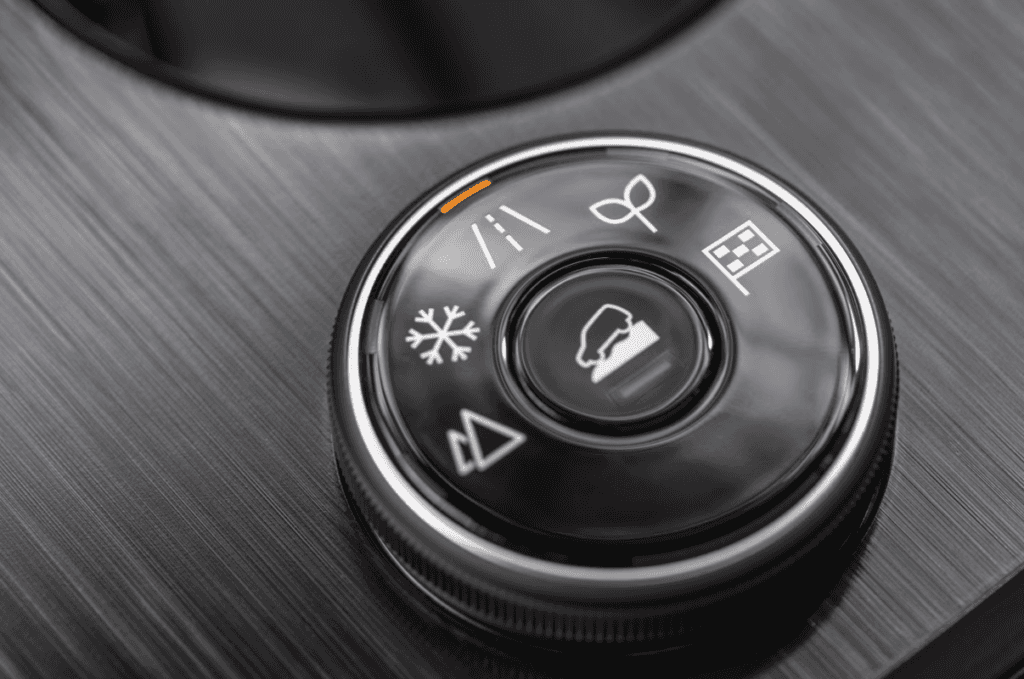
A critical component of this system is the Drive Mode Selector, a dial located conveniently on the center console that allows drivers to tailor the vehicle’s performance to specific environmental conditions. For Oak Lawn drivers facing a fresh snowfall, “Snow Mode” is the specific setting that transforms the driving dynamics of the Rogue. When engaged, Snow Mode adjusts the throttle response to be less sensitive, preventing the sudden burst of power that often causes tires to lose grip on slippery surfaces. It also modifies the transmission’s shift points, holding gears longer to maintain steady momentum and reduce the likelihood of wheel spin. Furthermore, the All-Wheel Drive system becomes more aggressive in Snow Mode, keeping the rear wheels engaged more frequently to ensure four-wheel stability at all times. This combination of mechanical grip and software-driven throttle management gives drivers a palpable sense of control, making daunting winter commutes feel manageable and secure.
When to Choose AWD vs FWD
Choosing between All-Wheel Drive (AWD) and Front-Wheel Drive (FWD) is a common dilemma for car shoppers in Oak Lawn, and the decision often comes down to budget versus capability. A Front-Wheel Drive Rogue is an excellent vehicle, offering superior fuel economy and a lower starting price point, which is attractive for budget-conscious buyers who primarily stick to well-plowed main roads. FWD vehicles carry less weight, which translates to slightly better handling in dry conditions and fewer mechanical components to maintain over the life of the car. For drivers who have the flexibility to stay home during the worst storms or who are diligent about installing high-quality winter tires, a FWD Rogue can still manage light winter conditions adequately. The weight of the engine over the front axle helps provide traction, and modern traction control systems have improved the capability of two-wheel-drive vehicles significantly compared to the past.
However, for those who must travel regardless of the forecast such as healthcare workers, parents with school runs, or commuters traveling to downtown Chicago AWD is the superior choice. The primary advantage of AWD is the ability to accelerate from a stop on slick surfaces without drama. When a light turns green on a snowy incline, an FWD vehicle might struggle to find grip, potentially sliding sideways or failing to move forward. In contrast, an AWD Rogue engages all four tires, effectively doubling the available traction patch to get the vehicle moving. This is not just about convenience; it is a safety feature that helps you clear intersections quickly and merge into traffic without hesitation. While AWD does not help you stop any faster than FWD braking is determined by tires and brakes it provides the stability needed to steer out of skids and maintain control in deep slush that would leave a two-wheel-drive car stranded.
Winter Traction, Tires, and Local Road Tips
While the Intelligent AWD system in the Nissan Rogue is a marvel of engineering, it is important to remember that the tires are the only physical connection between your vehicle and the road. Even the most advanced AWD system cannot manufacture grip if the tires are bald or unsuited for the conditions. In Oak Lawn and the surrounding Chicagoland area, “all-season” tires are the standard factory equipment for most vehicles, including the Rogue. These tires are designed to offer a compromise, performing adequately in warm weather, rain, and very light snow. However, when temperatures drop consistently below 45 degrees Fahrenheit, the rubber compound in standard all-season tires begins to harden, significantly reducing their ability to grip the pavement. This is where dedicated winter tires make a transformative difference. Winter tires feature specialized rubber compounds that remain flexible in freezing temperatures, along with aggressive tread patterns and “sipes” tiny slits that bite into ice and snow.
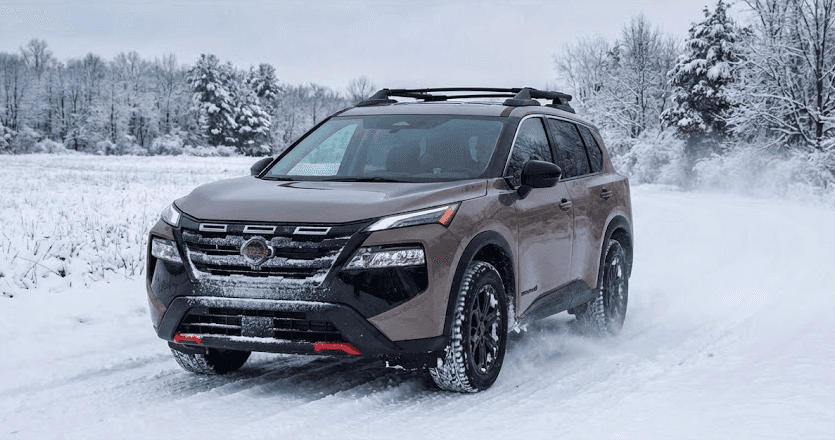
Navigating local roads in winter requires more than just good equipment; it requires local knowledge and situational awareness. In Oak Lawn, heavily trafficked corridors like Cicero Avenue and 95th Street are usually plowed and salted quickly, but residential side streets can remain treacherous for days after a storm. Intersections are particularly dangerous areas where “black ice” often forms due to the heat from idling car engines melting snow that subsequently refreezes. When approaching these stops, it is crucial to begin braking much earlier than you would in dry conditions. The Rogue’s anti-lock braking system (ABS) is excellent, but it cannot defy physics. Another specific hazard in our area is the slush that accumulates on highway ramps leading to I-294. This heavy, wet snow can pull your vehicle towards the guardrail if you enter the ramp too fast. Having winter tires installed at the Kelly Nissan Service Center can provide the extra margin of safety needed to resist hydroplaning on slush and maintain your intended path during these critical maneuvers.
Navigating Oak Lawn Winters with Confidence
Confidence on winter roads comes from preparation and understanding the limitations of your environment. One of the most overlooked aspects of winter driving in Oak Lawn is visibility. Before you even leave your driveway, ensure that your Rogue is completely cleared of snow and ice. Leaving a “snow mattress” on your roof is dangerous; as the car warms up, that sheet of ice can slide forward onto your windshield when you brake, blinding you instantly, or fly off onto the car behind you. We recommend keeping a dedicated winter emergency kit in your cargo area. This kit should include a sturdy ice scraper, a small shovel, jumper cables, a flashlight, and a bag of sand or kitty litter for traction if you get stuck. The Rogue’s cargo area is spacious enough to hold these items without compromising your grocery space, thanks to the Divide-N-Hide® cargo system.
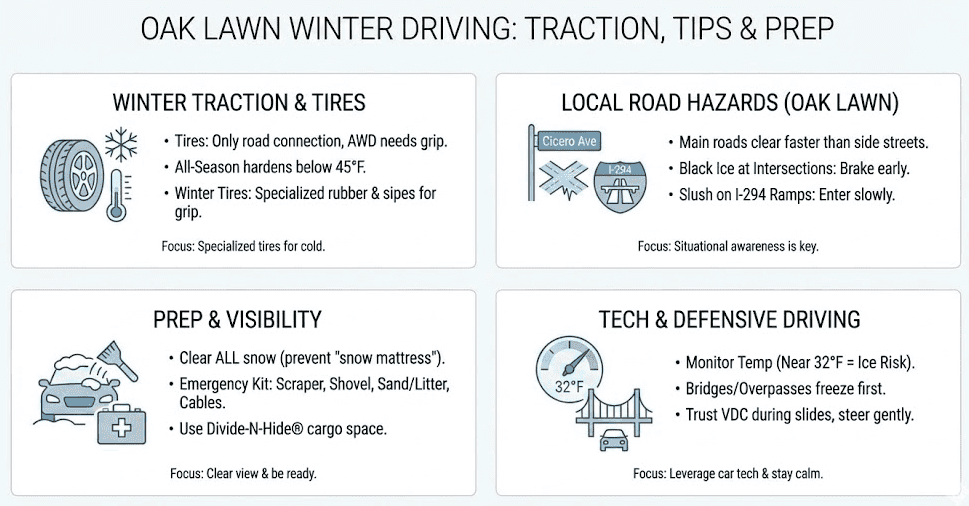
Furthermore, leveraging the technology inside your Rogue can help you monitor conditions in real-time. The external temperature gauge on your dashboard is a vital tool; if it reads near freezing (32°F), assume that any wet-looking pavement is actually ice. Bridges and overpasses, such as those crossing the train tracks or the tollway, freeze first because cold air circulates both above and below the road surface. When crossing these structures, avoid sudden inputs to the steering or brakes. If you feel the vehicle begin to slide, the Rogue’s Vehicle Dynamic Control (VDC) will naturally kick in to help correct your path by braking individual wheels. Your job is to stay calm, keep looking in the direction you want to go, and steer gently toward that path. By combining the mechanical advantages of your Rogue with smart, defensive driving habits, you can navigate the harshest months of the year with peace of mind.
Safety Shield 360 for Icy Streets
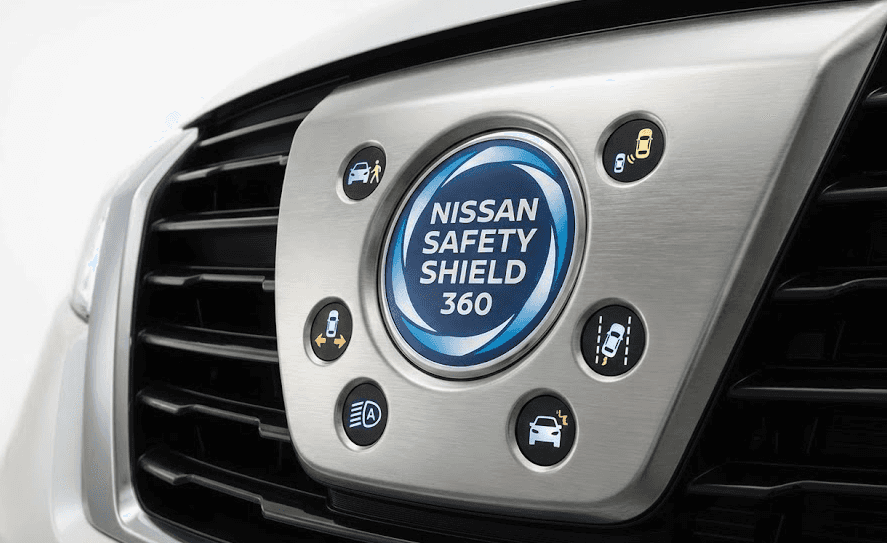
Winter driving in Illinois demands heightened awareness, and the Nissan Rogue supports drivers with a suite of six standard safety features known collectively as Nissan Safety Shield 360. This technology is particularly valuable when visibility is poor and road conditions are slick. One of the standout features for winter driving is the Blind Spot Warning. In snowy conditions, side mirrors and rear windows can quickly become obscured by road spray and salt, making it difficult to see vehicles in adjacent lanes. The Blind Spot Warning system uses radar sensors to detect vehicles in your blind spot and alerts you with a visual indicator near the side mirror (or on the A-pillar). If you activate your turn signal while a vehicle is detected, an audible chime warns you not to merge. This extra set of “digital eyes” is crucial on multi-lane roads like Southwest Highway where lane markings might be covered by snow.
Another critical component for icy streets is the Automatic Emergency Braking with Pedestrian Detection. Winter darkness falls early in Oak Lawn, and pedestrians bundling up in dark coats can be hard to spot against a backdrop of gray slush and streetlights. This system monitors the distance between your Rogue and the car or person ahead. If traffic slows suddenly a common occurrence when a plow truck is ahead or a car spins out the system provides audio and visual alerts to brake. If you don’t react in time, it can automatically apply the brakes to help avoid a frontal collision or lessen the severity of an impact. While drivers should never rely solely on technology, having this backup system adds a layer of protection that is invaluable when reaction times might be compromised by fatigue or distraction. Additionally, Rear Automatic Braking helps prevent backing into snowbanks or hidden obstacles in parking lots, saving you from costly bumper repairs during the winter months.
Emergency Braking and Slippery Conditions
It is important to understand how safety systems like Automatic Emergency Braking interact with slippery road surfaces. On dry pavement, these systems can stop the car very quickly. On ice or packed snow, however, the stopping distance increases significantly regardless of the technology. The Rogue’s systems are calibrated to work in conjunction with the Anti-lock Braking System (ABS) to prevent wheel lockup during these emergency stops. When the Automatic Emergency Braking engages on a slick surface, you might feel a pulsing sensation in the brake pedal or hear a grinding noise. This is completely normal; it is the ABS rapidly pumping the brakes to maintain traction while slowing the vehicle. Do not lift your foot off the brake pedal if this happens maintain steady pressure and let the car do the work.
Additionally, systems like Lane Departure Warning can be affected by winter conditions. If snow completely covers the lane markers on the road, the cameras may not be able to “see” where the lane ends, and the system might temporarily become unavailable. The Rogue is designed to alert you if sensors are blocked by slush or ice. If you see a warning light indicating a sensor is blocked, find a safe place to pull over and wipe off the cameras and radar sensors, typically located behind the rearview mirror, on the front grille, and on the rear bumper. Keeping these sensors clean is part of regular winter maintenance, ensuring that your Safety Shield 360 features are ready to protect you when you need them most. Understanding these nuances ensures you don’t panic when a system behaves differently in snow, allowing you to use the technology effectively as a driver aid rather than a replacement for caution.
Another important aspect of owning a Nissan Rogue in Oak Lawn during the winter is the convenience of remote connectivity. Many Rogue models come equipped with NissanConnect® Services, which allows you to start your vehicle remotely from your smartphone. This feature is more than just a comfort; it is a safety tool. By starting your car ten minutes before you leave, you allow the defrosters to melt ice off the windshield and rear window, ensuring you have full visibility the moment you sit in the driver’s seat. It also warms up the engine and oil, which is beneficial for the longevity of your powertrain in sub-zero temperatures. You can adjust the climate control settings remotely, meaning you step into a warm cabin with heated seats already active, reducing the temptation to drive in bulky winter coats that can interfere with seatbelt effectiveness.
Maintenance becomes critical as the seasons change, and specifically, the health of your battery is paramount. Cold weather slows down the chemical reactions inside a car battery, reducing its cranking power just when the engine requires more energy to start. At Kelly Nissan, we often see batteries that performed fine in the summer fail completely during the first deep freeze of January. We recommend having your battery tested during your fall oil change to ensure it has the cold cranking amps (CCA) necessary to start your Rogue on the coldest mornings. Furthermore, keeping your gas tank at least half full is a wise practice in winter. A full tank reduces the amount of air in the tank, minimizing condensation that can freeze in your fuel lines, and it provides extra weight over the rear axle, which can help with traction. It also ensures you have plenty of fuel to keep the engine running and the heat on if you ever get stuck in a traffic jam caused by a snowstorm.
Finally, we cannot stress enough the importance of washing your Rogue regularly during the winter months. The salt and brine used to clear Oak Lawn streets are highly corrosive and can cause rust to form on the undercarriage, brake lines, and suspension components if left to sit. Many modern car washes offer underbody flushes that are essential for removing this salt buildup. While the Rogue is built with corrosion-resistant materials, no vehicle is immune to the long-term effects of Illinois road salt. Taking the time to rinse your vehicle every couple of weeks protects your investment and ensures that mechanical parts like brake calipers remain free-moving and effective. Combining this maintenance with the Rogue’s rugged engineering ensures your vehicle remains a reliable partner for many winters to come.
Visit Kelly Nissan for Your Winter Ready Rogue
Are you ready to tackle the Oak Lawn winter with confidence and style? At Kelly Nissan, we have a wide selection of Nissan Rogue models equipped with Intelligent All-Wheel Drive and the cold-weather features you need. Our knowledgeable team can walk you through the specific trims that offer heated seats, steering wheels, and the advanced Snow Mode technology discussed here. We invite you to schedule a test drive today to feel the difference of the Rogue’s stability and comfort firsthand. Visit our showroom on 95th Street or browse our inventory online to find the perfect SUV for your family’s safety this season.
0 comment(s) so far on Rogue AWD in Snow: Oak Lawn, IL Guide